Key Challenges in International Sales and How to Overcome Them
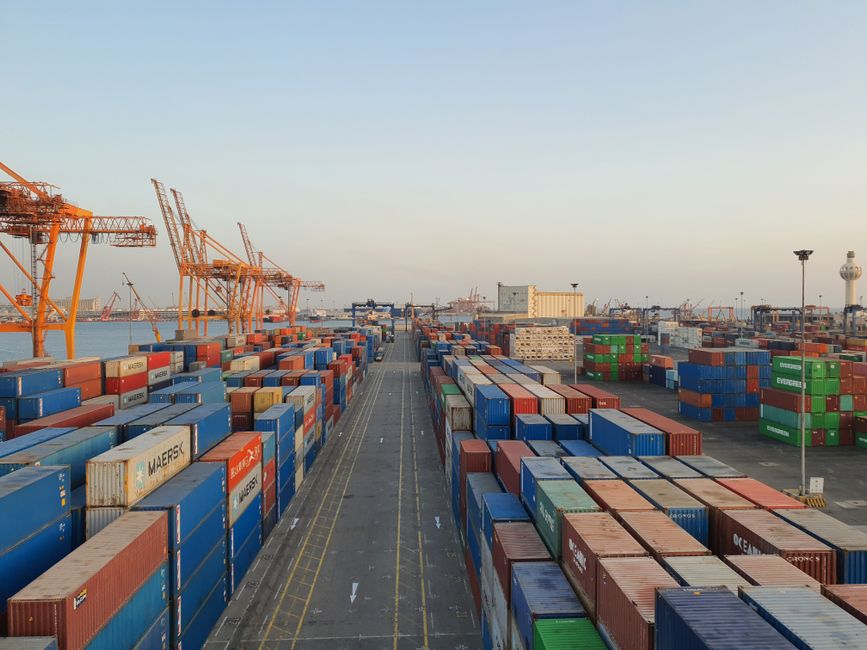
International sales introduce obstacles that rarely appear in domestic operations: unfamiliar regulations, payment delays, cultural misunderstandings, and logistical complexity. Companies entering foreign markets for the first time often underestimate these barriers, while experienced exporters still struggle with them at scale. The solution lies in understanding each challenge specifically and addressing it with the right combination of planning, partnerships, and operational discipline.
Regulatory Compliance and Trade Barriers
Regulatory compliance stops many companies before they ship their first order. Each country maintains its own import rules, tariff schedules, product standards, and documentation requirements. A food product approved for sale in the United States may require different labeling, ingredient disclosure, or safety testing in the European Union. Industrial equipment must meet electrical standards and safety certifications that vary by region. Pharmaceuticals and medical devices face the strictest requirements, often requiring years of approval processes.
Tariffs and trade agreements add another layer. Duties can make a competitive product unaffordable in certain markets, while free trade agreements can eliminate those costs entirely if the exporter qualifies. Rules of origin, certificates of authenticity, and customs bonds are not intuitive for businesses accustomed to domestic shipping.
The solution starts with research before the product leaves the warehouse. Identify the Harmonized System (HS) code for your product, which determines the tariff rate. Check whether your target country has a free trade agreement with your home country and what documentation proves eligibility. Hire a customs broker who knows the destination country, or work with a freight forwarder experienced in your product category. Compliance coordination services can handle this work for companies without in-house expertise.
Finding and Vetting International Partners
Finding reliable distributors, agents, and retail buyers in unfamiliar markets is difficult without local networks. Online directories list thousands of potential partners, but most lack context: which distributors actually have the right customer base, which have strong reputations, and which will prioritize your product over the fifty others in their portfolio. Cold outreach to foreign companies produces low response rates, and trade shows are expensive without a clear plan.
Vetting partners from a distance compounds the problem. Financial records may not be available or may follow different accounting standards. References might be polite rather than honest. Cultural differences in negotiation style can obscure whether a distributor is genuinely interested or simply being courteous.
Successful companies approach partner development as a structured process. Start with a shortlist based on product category fit, geographic coverage, and existing brand relationships that complement rather than compete with yours. Conduct video calls to assess communication style and operational capacity. Ask specific questions: How many sales reps do they have? Which retailers do they currently supply? What is their typical onboarding timeline for a new brand? Request customer references and follow up with those customers directly.
For businesses without the time or network to manage this process, OutsourcedExport offers distributor development services that move from initial research to qualified conversations, handling the prospecting and vetting work that would otherwise require an in-house team.
Cultural and Language Barriers
Cultural differences affect every stage of the sales process, from initial outreach to contract negotiation to ongoing account management. What feels like a straightforward email in one culture may come across as rude or overly aggressive in another. Negotiation timelines vary: some markets expect decisions within days, others within months. Gift-giving customs, business card etiquette, and meeting protocols differ widely.
Language barriers create practical problems beyond translation. Marketing materials that work in English may not translate effectively, either because the literal translation misses the intended tone or because the concept does not resonate in the target culture. Product names and slogans sometimes translate into unintended meanings. Technical documentation must be precise, and poor translation can create safety or liability issues.
Address cultural challenges by hiring local expertise early. A consultant or agent who understands both your home market and the target market can review materials, advise on negotiation strategy, and flag potential missteps before they happen. Invest in professional translation for anything customer-facing, and have a native speaker review the final version for tone and clarity. When possible, visit the market in person to build relationships and observe how business is conducted.
For ongoing operations, consider hiring sales staff or representatives who are native to the target market. They bring not only language fluency but also the cultural fluency that prevents misunderstandings and builds trust with local partners.
Payment Risks and Currency Fluctuations
International transactions carry payment risks that domestic sales do not. Buyers may default, and pursuing legal remedies across borders is expensive and slow. Wire transfer fraud is common, with scammers impersonating buyers or intercepting payment instructions. Even legitimate buyers may delay payment due to their own cash flow issues, and the delay is longer when funds must clear international banking systems.
Currency fluctuations add unpredictability. A deal negotiated in euros may be worth significantly less in dollars by the time payment arrives if the exchange rate shifts. For companies with thin margins, a 5% currency swing can eliminate profitability on an order.
Payment terms should reflect the risk level. For new customers or high-risk markets, require payment in advance or use a letter of credit, which guarantees payment once shipping documents are provided. Trade credit insurance protects against buyer default and political risks like currency controls or expropriation. Many export credit agencies offer affordable insurance for small and mid-sized exporters.
For currency risk, consider pricing in your home currency when possible, which shifts the exchange rate risk to the buyer. If you must price in foreign currency, use forward contracts to lock in the exchange rate at the time of the sale. Work with a bank that offers competitive foreign exchange rates and fast international wire transfers.
Logistics and Supply Chain Complexity
Shipping internationally introduces variables that domestic logistics do not: longer transit times, more complex documentation, higher costs, and more opportunities for delays or damage. A shipment might clear customs quickly or sit for weeks due to missing paperwork. Ocean freight is cheaper but slower; air freight is faster but expensive. Incoterms (International Commercial Terms) define who pays for shipping, insurance, and customs clearance, and choosing the wrong Incoterm can leave you responsible for costs you did not anticipate.
Packaging must withstand longer journeys and rougher handling. Products that ship safely across a state may arrive damaged after an ocean voyage and multiple transfers between trucks, ships, and warehouses. Temperature-sensitive goods require refrigerated containers, which are more expensive and less widely available.
Start by choosing a freight forwarder with experience in your product category and destination countries. They will handle documentation, book cargo space, and coordinate customs clearance. Understand the Incoterms before quoting a price: FOB (Free on Board) means the buyer pays for ocean freight and insurance, while DDP (Delivered Duty Paid) means you pay for everything including import duties. Each term shifts costs and risks differently.
Test your packaging by shipping samples to yourself in the destination country and inspecting them on arrival. For high-value or fragile goods, purchase cargo insurance that covers the full replacement value. Build longer lead times into your production and delivery schedules to account for delays, and communicate those timelines clearly to customers.
Market Research and Entry Strategy
Entering a new market without adequate research wastes time and money. Companies often choose markets based on size alone, targeting China or India because they are large, without considering whether those markets actually want the product, whether the competitive landscape is already saturated, or whether the regulatory and logistical barriers are manageable for a company of their size.
Market research should answer specific questions: Is there demand for this product? Who are the competitors and what do they charge? What are the import requirements and tariffs? What distribution channels exist and which are realistic for a new entrant? How do customers in this market prefer to buy products like this? Without answers to these questions, companies waste resources on markets that will not generate returns.
Effective market research combines desk research with on-the-ground validation. Start by reviewing trade data to see import volumes and trends for your product category. Identify competitors and study their pricing, distribution, and marketing. Check government resources for tariff rates and regulatory requirements. Then validate your findings by talking to potential distributors, visiting trade shows in the target country, and speaking with other exporters who have entered that market.
For companies without the internal resources to conduct this research, market research and strategy services can identify markets that fit your product and business model, rather than simply the biggest markets. OutsourcedExport structures its approach around this principle, starting with research before committing to a market entry plan.
Building Internal Capacity and Knowledge
Many companies treat international sales as an add-on to domestic operations, assigning it to someone who already has a full-time role. This approach underestimates the specialized knowledge required: export documentation, Incoterms, foreign exchange, international marketing, distributor management, and compliance. Without dedicated staff, international sales become a side project that never receives the attention needed to succeed.
Hiring an internal export team is expensive and slow. Finding candidates with the right experience takes months, and mistakes are costly when the person managing your first export shipment does not understand letters of credit or HS codes. Training existing staff requires time they may not have, and the learning curve is steep.
Companies can build capacity in stages. Start by hiring a consultant or fractional export manager who can set up systems, train staff, and handle the first few transactions. As volume grows, bring those functions in-house. Alternatively, outsource the export function entirely to a partner who provides the team, tools, and expertise as a service. This model works well for companies that want to test international markets without committing to permanent headcount.
OutsourcedExport's Start Exporting solution uses a sliding-fee structure where involvement and fees decrease as international sales reach agreed milestones, allowing companies to build toward owning their own export operation without starting from scratch.
Adapting Products and Marketing for Local Markets
Products that succeed domestically often need modification for international markets. Packaging sizes, flavors, colors, and features may need to change based on local preferences, regulations, or purchasing power. A product sold in large bulk sizes in the United States might need smaller, more affordable pack sizes in markets with lower average incomes. Electrical products must match local voltage and plug standards. Food and beverage products may need reformulation to meet ingredient restrictions or cultural preferences.
Marketing messages must also adapt. A brand story that resonates in one culture may feel irrelevant or even offensive in another. Visual imagery, humor, and emotional appeals that work in your home market may not translate. Digital marketing requires localized content, not just translated content, and search engine optimization differs by country and language.
Conduct focus groups or surveys in the target market before finalizing product changes. Work with local marketing professionals who understand consumer behavior and media consumption patterns in that country. Test campaigns on a small scale before committing to a full launch. For digital marketing, research local search engines (Google is not dominant everywhere) and social media platforms, and hire native speakers to create content rather than relying on translation tools.
Managing Cash Flow and Working Capital
International sales strain working capital in ways domestic sales do not. Payment terms are often longer, sometimes 60 or 90 days, and the cash is tied up for even longer when shipping and customs clearance add weeks to the timeline. Companies must pay for production, packaging, and shipping before receiving payment, and the amounts involved can be substantial.
For smaller businesses, a few large international orders can create a cash flow crisis if they do not have the working capital to finance production and wait for payment. Banks may be hesitant to lend against foreign receivables, especially from buyers in countries they consider risky.
Address working capital needs before accepting large orders. Explore export financing options such as export working capital loans, which are specifically designed to finance the production and shipment of export orders. Some export credit agencies offer loan guarantees that make it easier to get bank financing. Factoring companies will purchase your foreign receivables at a discount, providing immediate cash.
Negotiate payment terms that match your cash flow capacity. For large orders, request a deposit upfront to cover raw materials and production costs. Use letters of credit to ensure payment before the goods leave your control. As relationships with buyers mature and trust builds, you can extend more favorable terms.
Staying Compliant with Export Controls and Sanctions
Export controls restrict the sale of certain products, technologies, and services to specific countries, entities, or individuals for national security or foreign policy reasons. Violating these controls can result in severe penalties, including fines, loss of export privileges, and criminal charges. Sanctions programs prohibit transactions with designated countries, individuals, and organizations.
Many companies assume export controls only apply to weapons or military technology, but they also cover dual-use items (products with both civilian and military applications), encryption software, certain chemicals, and even some manufacturing equipment. The rules are complex and change frequently.
Before exporting, screen your products against the relevant control lists: the Commerce Control List (CCL) in the United States, for example. Screen your customers against restricted party lists to ensure they are not sanctioned entities. Keep records of these screenings. For controlled items, determine whether you need an export license and apply for it before shipping.
Many companies use automated screening software to check customers and transactions against sanctions lists in real time. Larger organizations hire export compliance officers or legal counsel specializing in trade law. Training your sales and operations teams on export control basics reduces the risk of accidental violations.
Measuring Performance and Adjusting Strategy
International sales require different performance metrics than domestic sales. Revenue alone does not tell the full story when currency fluctuations, longer payment terms, and higher costs affect profitability. A market that generates high revenue but low margins may not be worth the operational complexity.
Track metrics that reveal the true health of international operations: gross margin by market (accounting for tariffs, shipping, and currency costs), days sales outstanding (how long it takes to collect payment), customer acquisition cost by region, and the percentage of orders that clear customs without delays. Monitor distributor performance by tracking sell-through rates, not just orders placed, to ensure your products are actually reaching end customers.
Review these metrics quarterly and adjust your strategy based on what the data shows. If a market consistently underperforms, investigate whether the issue is the distributor, the pricing, the product-market fit, or the competitive landscape. If a market exceeds expectations, consider increasing investment there. Be willing to exit markets that do not justify the resources required to serve them.
Successful international sales programs evolve based on results, not assumptions. Treat the first year in any new market as a learning period, gather data systematically, and make decisions based on that data rather than intuition or sunk costs.
Frequently asked questions
What is the most common mistake companies make when starting to export?
Choosing markets based on size rather than fit. Large markets like China or India attract attention, but they may have high barriers, intense competition, or regulatory requirements that make entry difficult for smaller companies. Successful exporters start with markets where their product solves a clear need and where the operational requirements match their capabilities.
How much does it cost to start exporting?
Costs vary widely based on product type, target market, and approach. Minimum expenses include market research, product modifications or certifications, shipping and insurance, customs brokerage, and marketing materials. A small company might start with $10,000 to $25,000 for a single market, while larger companies entering multiple markets with complex products can spend significantly more.
Should I use a distributor or sell directly to retailers?
Distributors work well when you lack local presence and need someone to manage logistics, customer service, and collections in the target market. Direct-to-retailer works better when you have the capacity to manage those functions yourself and when retailers prefer to buy direct. Many companies start with distributors and move to direct sales as volume and knowledge grow.
How do I protect payment when selling to an international customer for the first time?
Use a letter of credit for large orders with new customers. The buyer's bank guarantees payment once you provide proof of shipment and required documents. For smaller orders, request payment in advance or use trade credit insurance to protect against non-payment. As the relationship matures, you can extend open account terms.
What is an HS code and why does it matter?
The Harmonized System (HS) code is a standardized numerical classification for traded products used by customs authorities worldwide. Your product's HS code determines the tariff rate, import restrictions, and documentation requirements in the destination country. Using the wrong code can result in overpaying duties, shipment delays, or penalties.