7 Essential Considerations for Your Export Trade Strategy
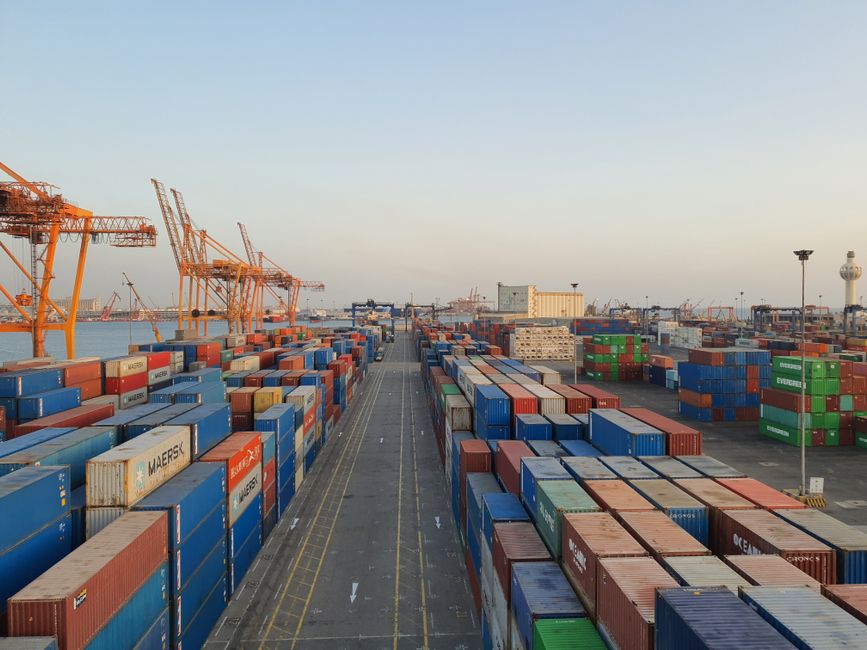
What matters most in export trade strategy
Market research comes first. Choosing the right country, understanding local demand, and identifying buyers determine whether your export effort succeeds or stalls. Compliance planning and distribution channels follow close behind, since you cannot sell where you cannot legally ship or where no one will stock your product.
How these were chosen
These seven considerations reflect the practical sequence businesses face when moving from domestic sales to international markets. Each addresses a decision point where companies commonly lose momentum or make costly mistakes. The focus is on elements you can control and plan for, not external factors like currency fluctuations or geopolitical events.
1. Market selection and demand validation
Choose markets based on fit, not size. A smaller market with clear demand and accessible buyers often delivers faster results than a large market where your product has no natural audience. Validate demand through market research before committing resources: look at import data, competitor presence, regulatory barriers, and whether similar products already sell there. Skipping this step leads to expensive trial and error in countries that were never viable.
2. Regulatory and compliance requirements
Every country has its own import rules, labeling standards, certifications, and safety requirements. Identify these requirements early, because compliance delays can hold your first shipment for months or disqualify your product entirely. Common barriers include ingredient restrictions in food and cosmetics, electrical certifications for consumer electronics, and packaging and labeling laws that vary by region. Budget time and money for compliance coordination, or work with a partner who handles it as part of the service.
3. Distribution channel strategy
Decide whether you will sell direct to consumers, through distributors, via retailers, or a combination. Each channel has different margin structures, control trade-offs, and setup costs. Distributors provide local market knowledge and established buyer relationships but take a significant margin. Direct-to-consumer models offer higher margins but require you to handle logistics, customer service, and local marketing. Retailers give you shelf space but demand slotting fees, promotional support, and consistent supply. The right choice depends on your product type, price point, and how much control you need over the customer experience. Choosing the right international distribution channels covers the options in detail.
4. Pricing and margin structure
Export pricing must account for shipping, tariffs, distributor margins, currency conversion, and local taxes while remaining competitive in the target market. Many businesses underprice their first exports by underestimating these costs, or overprice by simply adding a margin to their domestic price without considering local purchasing power. Calculate the landed cost, then work backward to see if your product can be profitable at a price customers will pay. If the math does not work, the market may not be viable, or you may need a different distribution model.
5. Logistics and fulfillment infrastructure
Shipping internationally means choosing freight forwarders, understanding Incoterms, managing customs documentation, and coordinating delivery timelines that stretch weeks instead of days. Mistakes here cause delays, unexpected fees, and damaged goods. Decide early whether you will manage logistics in-house or outsource to a freight forwarder or third-party logistics provider. For businesses new to export trade, outsourcing reduces the learning curve and avoids costly errors. Companies already exporting may bring logistics in-house as volumes grow and justify dedicated staff.
6. Sales and business development capacity
Someone has to find the buyers, qualify leads, negotiate terms, and close deals. That requires language skills, time zone availability, cultural fluency, and persistence. Most domestic sales teams lack the bandwidth or expertise to add international business development on top of their existing workload. You can hire an international sales team, train existing staff, or use an outsourced partner. OutsourcedExport provides an outsourced export team that handles buyer prospecting, distributor development, and retailer outreach for businesses without in-house international capacity. The sliding-fee model they use for new exporters reduces upfront risk while building a working export operation over time.
7. Market entry timeline and milestones
Export trade moves slower than domestic sales. Regulatory approvals, distributor negotiations, and logistics setup all take longer than expected. Set a realistic timeline with clear milestones: market research completion, compliance approval, first distributor signed, first shipment delivered, first reorder. Treat the first year as a learning phase where you refine your approach based on what actually happens in the market. Companies that expect immediate profitability often abandon viable markets before they gain traction. A phased approach with agreed checkpoints keeps the effort on track without overcommitting resources to unproven markets.
Where to start
Begin with market research and compliance review for your top two target countries. That combination reveals whether the opportunity is real and what barriers you will face. Once you confirm a market is viable, prioritize distribution channel selection and pricing structure, since those decisions shape everything that follows. Building an international sales strategy ties these elements together into a coherent plan.
Frequently asked questions
How long does it typically take to establish export trade in a new market?
Expect six to twelve months from initial research to first revenue, depending on regulatory complexity and distribution channel. Markets with simpler compliance and existing distributor networks move faster, while highly regulated industries or markets requiring new partnerships take longer.
Should I target one country or multiple countries at once?
Start with one or two markets where demand is clear and barriers are manageable. Spreading resources across too many countries early dilutes your effort and makes it harder to learn what works. Add markets after you have a repeatable process in the first one.
What is the most common mistake businesses make when starting export trade?
Underestimating the total landed cost and overestimating how quickly sales will ramp. Many businesses price based on domestic costs plus a margin, then discover that tariffs, shipping, and distributor margins make the product uncompetitive. Others expect immediate traction and abandon viable markets too early.
Do I need to visit the target country in person?
Not always, but it helps for relationship-driven markets and high-value B2B sales. Many successful export programs start remotely through research, outreach, and video meetings, then add in-person visits once serious buyer interest develops. Trade shows offer an efficient way to meet multiple prospects in one trip.
How much should I budget for my first export market?
Budget for market research, compliance and certification, sample shipments, marketing materials, and at least six months of business development effort. Total costs vary widely by industry and market, but many businesses spend between $15,000 and $50,000 to properly enter a new country, not including product cost or large-scale inventory.