International Trade & Consulting: A Growth Guide
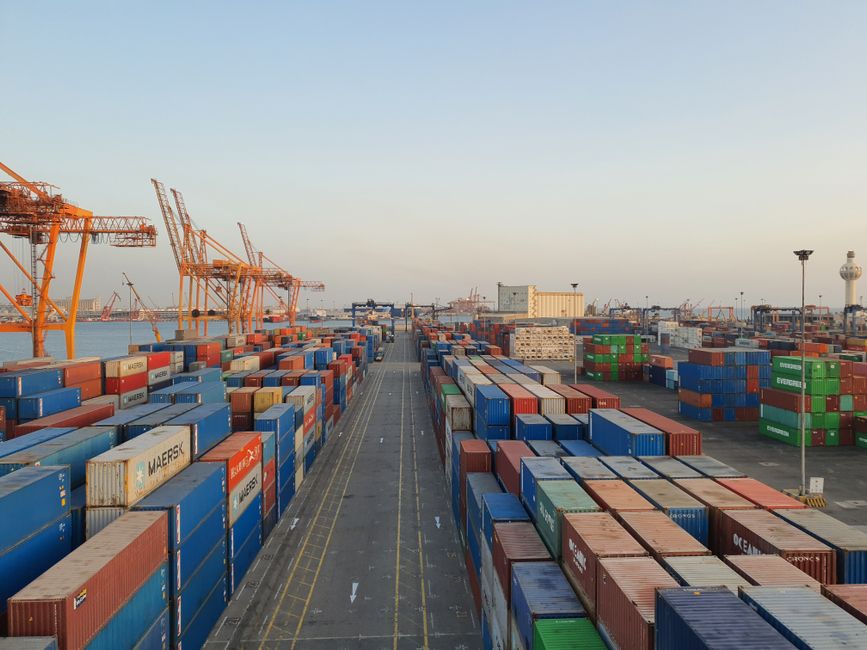
International trade and consulting services help businesses sell products in foreign markets by handling market research, buyer identification, compliance, and distribution setup. Companies hire these services to expand internationally without the cost and complexity of building an in-house export team.
What international trade consulting covers
International trade consulting provides the operational expertise businesses need to sell abroad. Consultants identify target markets, research local regulations, locate qualified distributors and retailers, coordinate compliance requirements, and manage the logistics of cross-border sales. The service replaces or supplements internal resources, so companies can pursue export opportunities without hiring specialized staff.
A trade consultant works as an extension of the client's team. They conduct market research to determine which countries offer the best fit based on product type, competitive landscape, and regulatory environment. They develop go-to-market strategies, find and vet potential partners, and guide the client through the legal and logistical steps required to complete international transactions. For businesses new to exporting, consultants often handle the entire sales process. For companies already selling abroad, consultants add capacity and expertise to accelerate growth in existing or new markets.
How consulting services support market entry
Entering a new market requires local knowledge that most domestic teams lack. Trade consultants bring that knowledge and apply it to the client's specific situation. They start by analyzing market demand, competitive intensity, distribution channels, pricing expectations, and regulatory barriers. This research determines whether a market is viable and what approach will work.
Once a market is selected, consultants identify potential buyers, distributors, or retail partners. They qualify leads, initiate contact, and manage negotiations. For companies targeting the United States, for example, consultants with U.S. market expertise can navigate the unique requirements of American retailers and distributors. For companies based in the U.S. looking to expand abroad, consultants provide the same function in reverse, connecting domestic manufacturers with international buyers.
Consultants also coordinate compliance. Every country has different rules for product standards, labeling, certifications, and import documentation. A consultant ensures the client meets these requirements before shipping, reducing the risk of delays, fines, or rejected shipments. This compliance work is often the most time-consuming part of market entry, and outsourcing it frees the client to focus on production and domestic operations.
When to use consulting instead of hiring internally
Building an internal export team requires significant investment. Companies need to hire staff with international experience, provide training, and absorb the cost of trial and error as the team learns the market. For many businesses, particularly those with revenues under $20 million, this investment does not make sense until export sales reach a consistent volume.
Consulting services offer a lower-risk alternative. Businesses pay for expertise and results without the fixed cost of salaries and benefits. If a market does not perform as expected, the engagement can end without layoffs or wasted infrastructure. If a market succeeds, the business can choose to transition the operation in-house once the revenue justifies it.
The decision often comes down to scale and speed. Companies that need to test multiple markets quickly benefit from consulting because one partner can manage several countries simultaneously. Companies that already have strong domestic sales and want to add international revenue without disrupting current operations also benefit. Consulting works best when the business has a proven product, stable operations, and the capacity to fulfill international orders, but lacks the internal expertise or bandwidth to manage the export process.
Comparing trade consulting models
Trade consulting services vary in scope, pricing, and engagement structure. Understanding the differences helps businesses choose the right partner.
| Model | Best for | Typical structure | Handoff |
|---|---|---|---|
| Project-based consulting | One-time market research or compliance work | Fixed fee per project | Client implements findings |
| Retainer consulting | Ongoing support for active export operations | Monthly or quarterly fee | Client manages execution with consultant guidance |
| Outsourced export team | Full delegation of export sales process | Sliding fee tied to milestones or revenue | Consultant handles execution, transitions to client over time |
| Commission-based sales agent | Established markets with clear buyer networks | Percentage of completed sales | Agent closes deals, client fulfills |
Project-based consulting delivers a specific output, such as a market entry report or compliance checklist. The client receives the analysis and decides how to act on it. This model works for businesses that have internal capacity to execute but need expert input on strategy or requirements.
Retainer consulting provides ongoing advice and support. The consultant answers questions, reviews plans, and troubleshoots issues as they arise. The client still manages the day-to-day work of selling abroad, but has access to expertise when needed. This model suits companies with some international experience that need periodic guidance rather than full delegation.
Outsourced export teams, such as the services offered by OutsourcedExport, take on the entire export function. The consultant becomes the client's export department, handling everything from market research to buyer development to compliance coordination. Fees often decrease as the business hits agreed sales milestones, with the goal of eventually transitioning the operation to the client. This model works for businesses that want results without building internal infrastructure.
Commission-based agents focus on closing sales in markets where they already have relationships. They earn a percentage of each completed transaction. This model works best in mature markets with established distribution channels, but offers less control and less knowledge transfer than other consulting models.
Services included in a full consulting engagement
A comprehensive trade consulting engagement covers the full export lifecycle. The specific services depend on the client's starting point and goals, but most engagements include several core components.
Market research identifies which countries to target. Consultants analyze demand, competition, regulatory environment, distribution channels, and pricing expectations. The output is a prioritized list of markets with a clear rationale for each recommendation. This research prevents businesses from chasing markets that look attractive on paper but prove difficult or unprofitable in practice.
Distributor and buyer development turns research into relationships. Consultants create lists of potential partners, initiate contact, qualify interest, and manage negotiations. This work requires local knowledge and often involves attending trade shows, conducting site visits, and leveraging existing networks. For businesses entering the U.S. market, consultants with American buyer relationships can accelerate the process significantly.
Compliance coordination ensures the client meets all legal and regulatory requirements. Consultants identify necessary certifications, arrange testing, prepare documentation, and coordinate with customs brokers and freight forwarders. This service reduces the risk of shipment delays or rejections and ensures the client avoids penalties.
Sales department setup builds the internal systems needed to manage export operations over time. Consultants help structure the sales process, implement CRM systems, train staff, and establish workflows for order processing, invoicing, and customer communication. This service is most relevant for businesses that plan to eventually manage exports internally.
Ongoing lead generation and retailer prospecting keep the pipeline full. Consultants use digital marketing, trade show outreach, and direct prospecting to identify new opportunities. They qualify leads and pass them to the client or manage the sales process themselves, depending on the engagement structure.
Common mistakes businesses make with trade consulting
Hiring a consultant without clear goals leads to wasted time and money. Businesses that engage a consultant without defining what success looks like, which markets to prioritize, or what role the consultant should play often end up with generic advice that does not move the business forward. Before hiring, clarify the desired outcome, the decision-making process, and how the consultant's work will be implemented.
Choosing a consultant based on price alone often backfires. The cheapest option may lack the market knowledge, buyer relationships, or operational capacity needed to deliver results. A consultant who charges low fees but produces no sales or useful connections costs more in the long run than a higher-priced partner who opens real market opportunities.
Expecting immediate results ignores the reality of international sales cycles. Building relationships with foreign buyers, completing compliance requirements, and negotiating distribution agreements takes time. Businesses that expect revenue in the first quarter are often disappointed. A realistic timeline for market entry is six to twelve months from engagement to first shipment, with revenue scaling over the following year.
Failing to provide the consultant with necessary information slows progress. Consultants need product specifications, pricing structures, production capacity, lead times, and any existing market data the client has. Businesses that withhold information or delay responses to consultant requests extend timelines and reduce the consultant's effectiveness.
Not planning for the transition creates dependency. If the goal is to eventually manage exports internally, the business needs a plan for how and when that transition will happen. Consultants who handle everything without training the client's team or documenting processes leave the business unable to operate independently. The best consulting engagements include knowledge transfer and a clear handoff plan.
Measuring the return on consulting investment
The value of trade consulting should be measured against the cost and risk of the alternatives. Compare the consultant's fees to the cost of hiring an internal export manager, attending trade shows independently, or pursuing markets without expert guidance. Factor in the opportunity cost of delayed market entry and the risk of compliance failures or bad partnerships.
Direct metrics include the number of qualified leads generated, the number of distribution agreements signed, the revenue from international sales, and the time to first shipment. These numbers show whether the consultant is delivering tangible results. Track them monthly and compare actual performance to the projections made at the start of the engagement.
Indirect metrics include the knowledge gained, the systems built, and the relationships established. Even if initial sales are modest, a consulting engagement that leaves the business with a working export process, a network of vetted partners, and a clear understanding of target markets creates long-term value. These benefits compound as the business scales its international operations.
The best consulting engagements pay for themselves through increased revenue within 12 to 18 months. Businesses that see positive ROI within this timeframe typically continue the relationship or transition to managing exports internally with confidence. Those that do not see results by this point should reassess the engagement, the target markets, or the product-market fit.
Next steps for businesses considering trade consulting
Start by assessing your current situation. Determine whether your product is ready for international markets, whether you have the capacity to fulfill foreign orders, and whether your business has the financial stability to invest in market expansion. Many consulting firms offer free readiness assessments that identify gaps and recommend next steps.
Research potential consulting partners. Look for firms with experience in your industry and your target markets. Ask for case studies, client references, and a clear explanation of their process and pricing structure. A good consultant will ask detailed questions about your business before proposing a solution.
Define your goals and timeline. Decide whether you want to test one market, expand into multiple countries, or build a full export operation. Clarify what success looks like in terms of revenue, number of partners, or market presence. Share these goals with the consultant so they can tailor their approach.
For businesses ready to explore how an outsourced export team can accelerate international growth, OutsourcedExport offers a free assessment and a 90-second overview of their approach. Visit OutsourcedExport to start the conversation.
Related resources: How to Build an International Sales Strategy That Works, Global Market Entry Strategies for New Exporters, Key Challenges in International Sales and How to Overcome Them.
Frequently asked questions
How long does it take to see results from a trade consulting engagement?
Most businesses see initial qualified leads within 60 to 90 days, first shipments within 6 to 12 months, and measurable revenue growth within 12 to 18 months. Timelines vary based on product complexity, target market, and regulatory requirements.
Can a consultant help with both finding buyers and managing logistics?
Yes, many trade consultants offer end-to-end services that include buyer identification, compliance coordination, and logistics management. Some focus only on sales and partner with freight forwarders for logistics, while others handle the full process.
What industries benefit most from trade consulting?
Food and beverage, consumer goods, manufacturing and industrial products, technology and software, health and wellness, and professional services all benefit. Any industry with a product that can be sold across borders and meets regulatory requirements in target markets can use trade consulting effectively.
Do I need to travel to foreign markets if I hire a consultant?
Not necessarily. Many consultants handle all in-market activities, including buyer meetings and trade show attendance. However, some buyers and distributors prefer to meet the brand owner, so occasional travel can strengthen relationships and close deals faster.
What happens if a market does not perform as expected?
A good consultant will reassess the strategy, adjust the approach, or recommend pivoting to a different market. The advantage of consulting over building an internal team is the flexibility to exit underperforming markets without sunk costs in staff and infrastructure.